
Avatar 4: The Tulkun Rider (2026) – Movie Review
Avatar 4: The Tulkun Rider (2026) expands the breathtaking world of Pandora into something even more profound, emotional, and spiritually immersive than ever before. This installment shifts its focus deeper into the bond between the Na’vi and the majestic Tulkun, delivering not just a visual spectacle but a story that resonates on a deeply human level. It’s no longer just about survival—it’s about connection, identity, and the responsibility of coexistence.

The film follows Lo’ak as he continues his journey of self-discovery, now forging an unbreakable bond with a powerful Tulkun unlike any seen before. Known as a “Tulkun Rider,” he becomes part of an ancient, almost mythical relationship between species—one built on trust, pain, and shared memory. But this connection comes at a cost. As humans return with even more destructive intentions, targeting the Tulkun for their intelligence and resources, Lo’ak is forced into a role that is both sacred and dangerous, standing at the center of a growing conflict between two worlds.
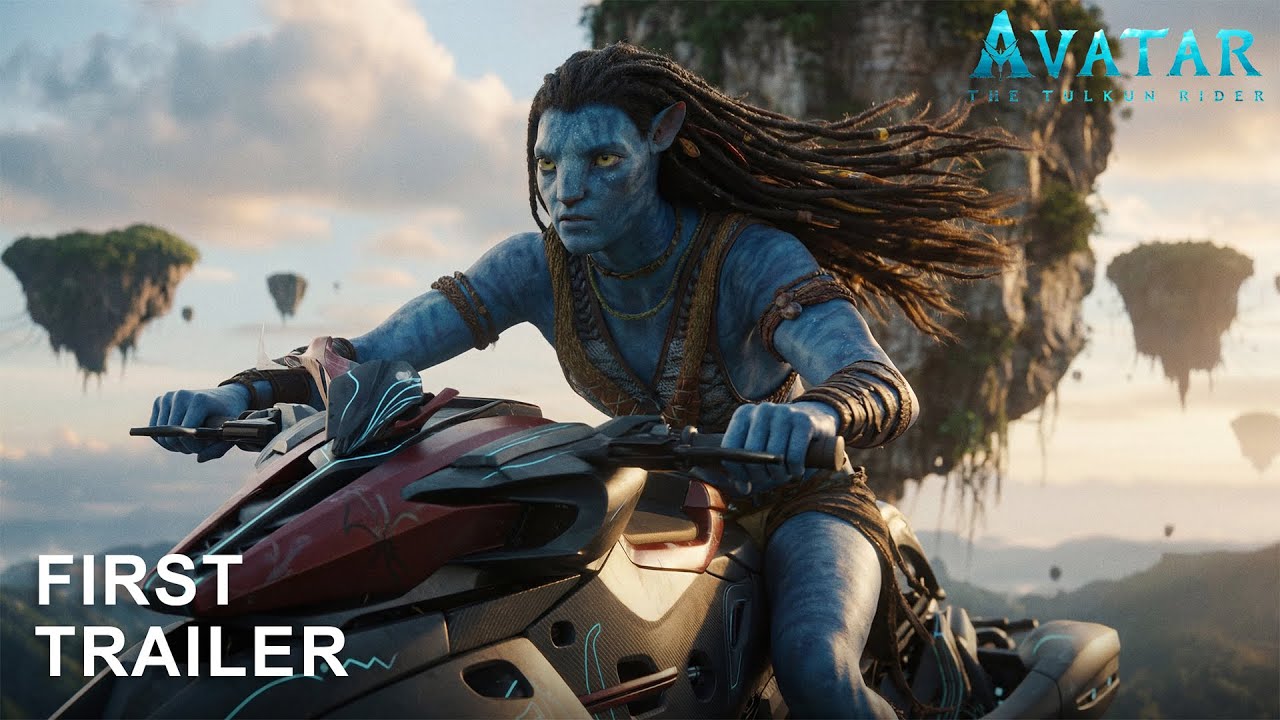
What makes The Tulkun Rider so compelling is how it intertwines large-scale action with intimate storytelling. The oceanic landscapes are mesmerizing—vast, alive, and filled with unseen wonders—but it’s the emotional depth that truly anchors the film. The bond between Lo’ak and his Tulkun companion is portrayed with remarkable sensitivity, almost like a silent conversation between souls. Their connection transcends language, creating some of the most powerful and quiet moments in the entire Avatar saga.
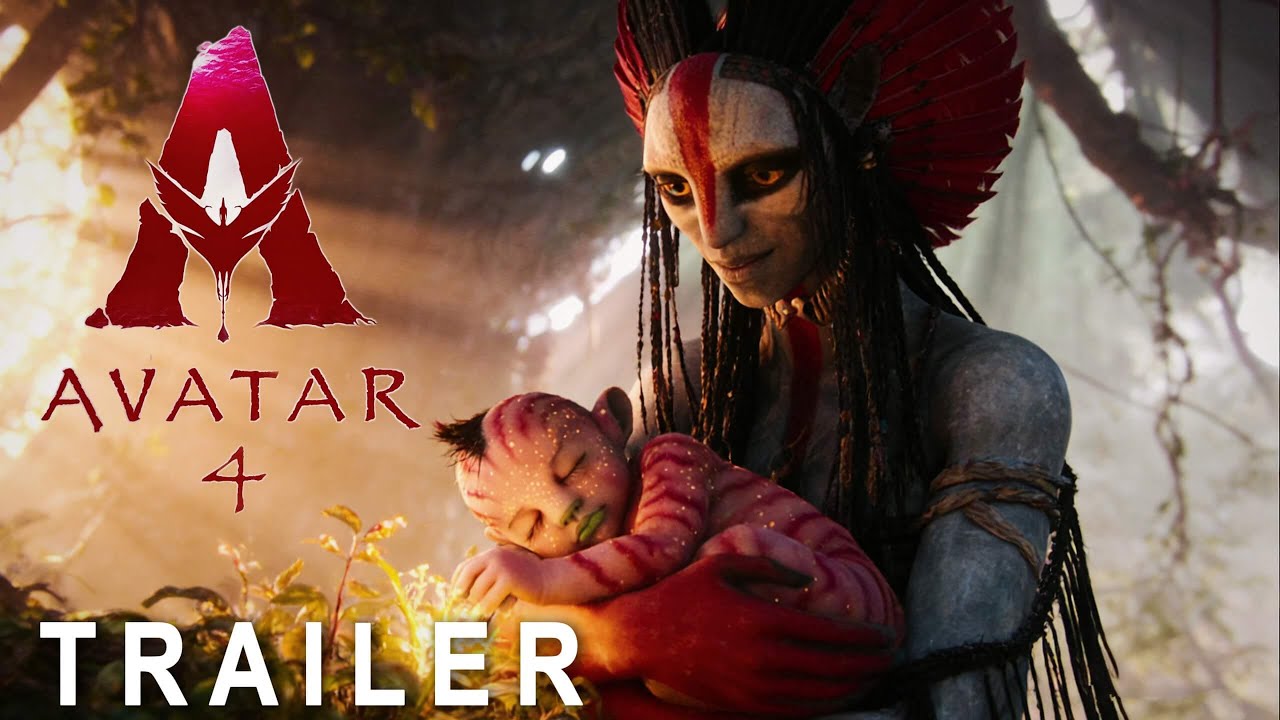
Visually, the film is nothing short of revolutionary. The underwater sequences are more fluid, more detailed, and more immersive than ever before. Every ripple, every beam of light filtering through the ocean feels tangible. The Tulkun themselves are rendered with such emotional nuance that they feel less like creatures and more like ancient beings with wisdom and memory. The action scenes are grand and intense, yet they never overshadow the emotional core of the story.
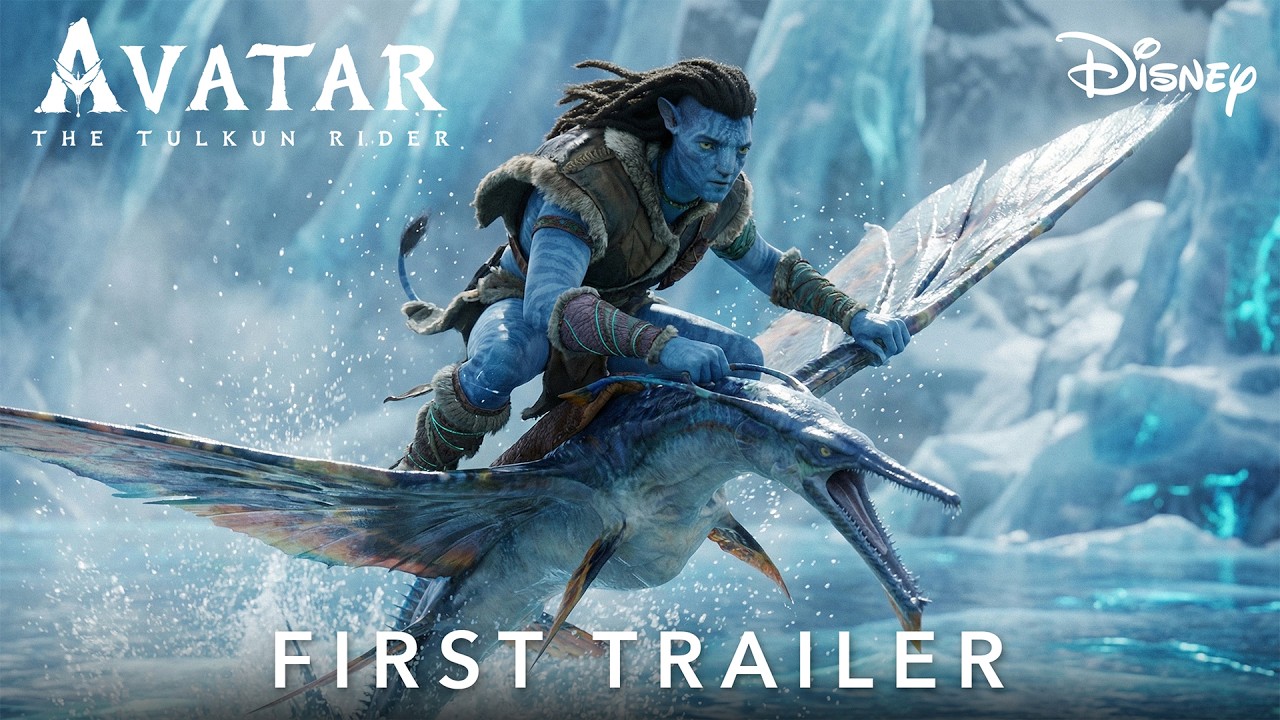
The performances—both through motion capture and voice—are exceptional. Lo’ak’s character is more mature, more conflicted, and far more compelling as he struggles with his identity and purpose. The supporting cast brings depth and tension, especially as divisions begin to form within both the Na’vi and human factions. The film doesn’t paint simple heroes and villains—it explores perspectives, motivations, and the consequences of choices in a morally complex world.

Ultimately, Avatar 4: The Tulkun Rider is more than just a sequel—it’s a meditation on empathy, legacy, and the invisible threads that connect all living beings. It challenges viewers to see beyond differences and recognize the value of understanding and respect. With its stunning visuals, emotional storytelling, and powerful themes, this film leaves a lasting impact, proving once again that the world of Pandora still has so much more to say—and so much more to make us feel.
https://www.youtube.com/watch?v=BIDiXcvyz90