
THE BROKEN TRAIL: A SNOWFALL OF MERCY (2026) – Movie Review
The Broken Trail: A Snowfall of Mercy (2026) unfolds like a quiet storm—slow, heavy, and impossible to ignore. Set in a brutal winter landscape where silence carries more weight than gunfire, the film tells a deeply human story of redemption, survival, and the fragile line between justice and mercy. From its opening scene, where snow blankets a blood-stained trail, the film establishes a tone that is both haunting and emotionally gripping, pulling viewers into a world where every step forward comes with a cost.

The story follows an aging former lawman who has long abandoned his past, choosing isolation over confrontation. However, when he stumbles upon a group of trafficked women being transported across the frozen frontier, he is forced back into a role he thought he had buried. What begins as an act of reluctant intervention slowly transforms into a deeply personal mission. As the journey unfolds, the film reveals layers of guilt, lost purpose, and the quiet desire for redemption that drives the protagonist forward through unforgiving terrain.
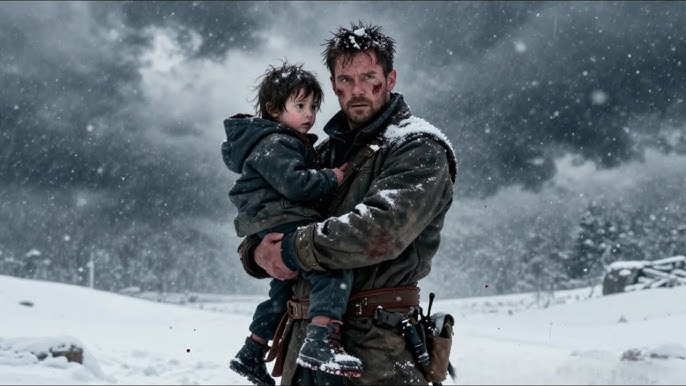
What makes this film stand out is its deliberate pacing and emotional restraint. Instead of relying on constant action, A Snowfall of Mercy builds tension through silence, glances, and the harsh realities of the environment. The relationship between the lawman and the women evolves organically, marked by moments of distrust, fear, and eventually, fragile hope. Each character carries their own story, and the film takes its time allowing those stories to breathe, giving the narrative a depth that feels authentic and deeply affecting.
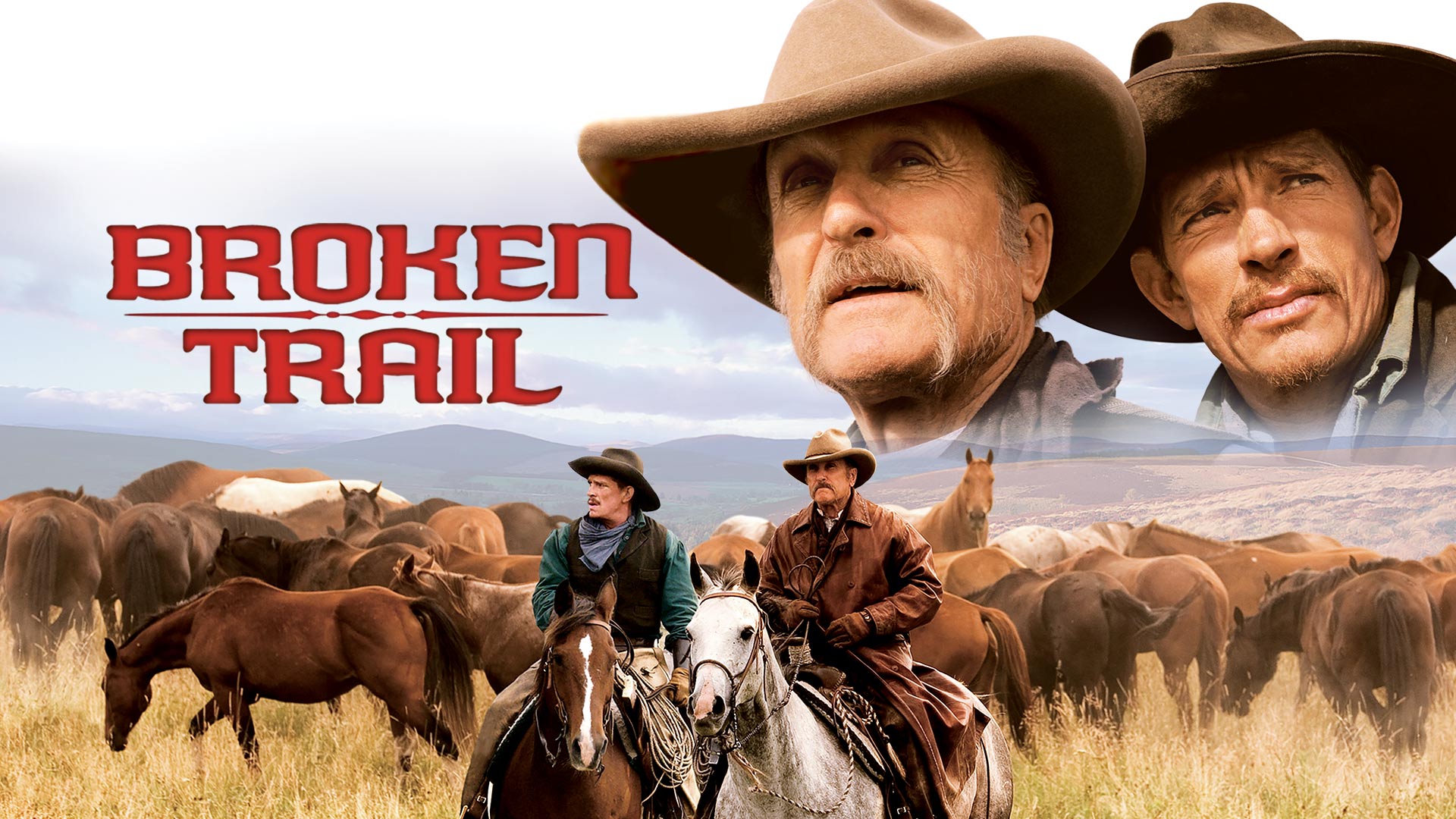
Visually, the film is breathtaking. The endless stretches of white snow create a stark, almost poetic backdrop for the characters’ internal struggles. The cinematography captures both the beauty and cruelty of nature—blinding snowstorms, icy winds, and long nights that feel endless. These elements are not just aesthetic; they become part of the storytelling, symbolizing isolation, purification, and the slow journey toward forgiveness. The contrast between the cold environment and the warmth of human connection is one of the film’s most powerful visual themes.
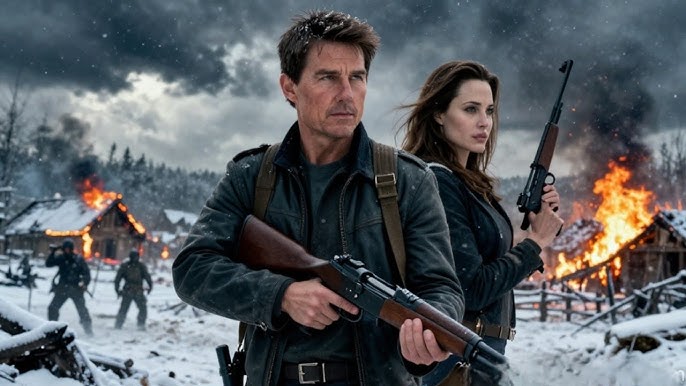
The performances are nothing short of remarkable. The lead actor delivers a restrained yet powerful portrayal of a man haunted by his past, conveying emotion through subtle expressions rather than dramatic outbursts. The supporting cast, particularly the women he helps, bring raw authenticity to the screen. Their fear, resilience, and gradual transformation from victims to survivors add emotional weight to every scene, making their journey just as compelling as the protagonist’s.
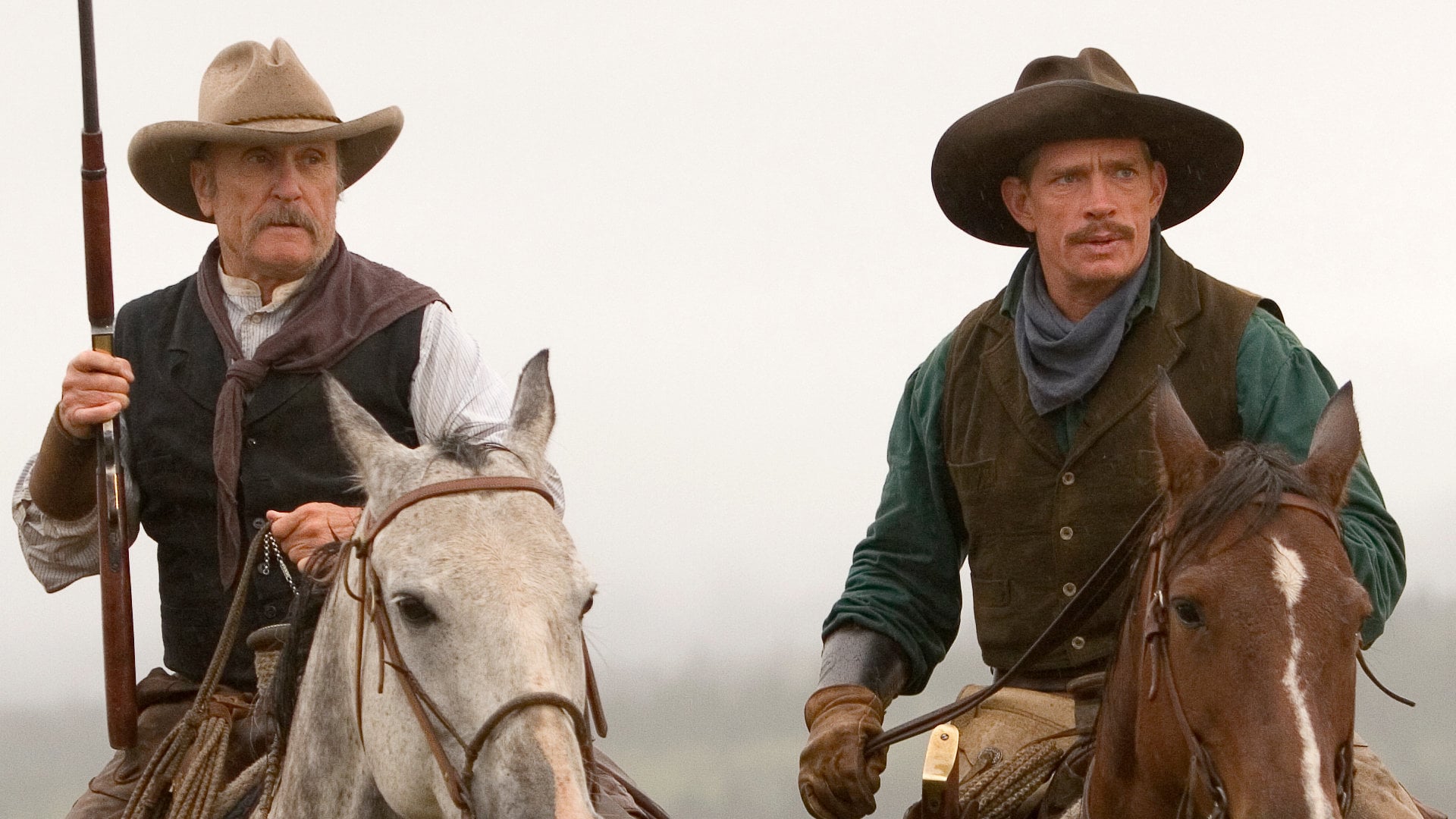
In the end, The Broken Trail: A Snowfall of Mercy (2026) is more than a western drama—it is a meditation on forgiveness, humanity, and the possibility of change even in the harshest conditions. The film lingers long after it ends, not because of its action, but because of its quiet emotional impact. It asks difficult questions about what it means to do the right thing when the world offers no easy answers, leaving audiences with a sense of bittersweet hope that redemption, though difficult, is always within reach.