
KING OF THE SOUTH (2026) – Movie Review
King of the South (2026) explodes onto the screen as a gripping crime epic that blends ambition, betrayal, and raw survival into one unforgettable cinematic journey. Set against the scorching heat and chaos of the southern underworld, the film follows the rise of a man who refuses to stay at the bottom—no matter the cost. From its very first moments, the movie pulls you into a world where power is everything, and trust is the most dangerous currency of all.
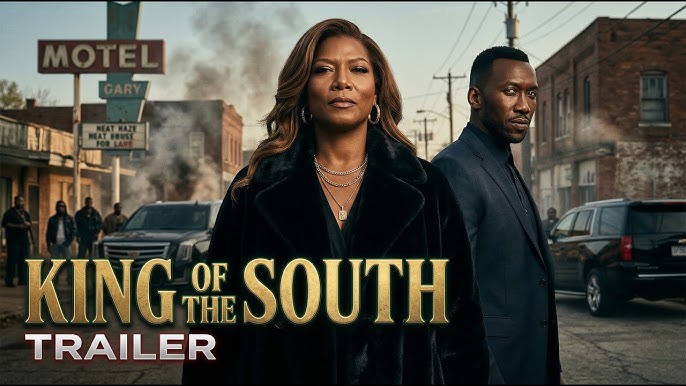
At the center of the story is Mateo Cruz, a street-smart survivor who begins as a small-time smuggler navigating a ruthless network of cartels, corrupt officials, and rival gangs. What sets Mateo apart is not just his hunger for power, but his ability to read people—and manipulate them. As he climbs higher in the criminal hierarchy, every move becomes more calculated, every alliance more fragile. The film brilliantly captures the transformation of a man who slowly trades his humanity for dominance.

The narrative unfolds with intense pacing, weaving together action, strategy, and emotional conflict. One of the film’s strongest elements is how it never glorifies the rise to power—it exposes the cost. Mateo’s journey is filled with betrayals, including those from people he once trusted the most. Relationships fracture, loyalties shift, and every decision leaves a scar. The tension builds relentlessly, making each scene feel like it could explode at any moment.

Visually, King of the South is striking and atmospheric. The cinematography uses harsh sunlight, neon-lit nights, and gritty urban landscapes to create a world that feels both beautiful and dangerous. The contrast between luxury and violence is particularly powerful—lavish mansions sit alongside blood-soaked streets, reminding viewers that power in this world is built on destruction. Every frame feels intentional, adding depth to the storytelling.

The performances are a major highlight, especially the lead actor portraying Mateo. His performance is magnetic—cold, intelligent, yet emotionally complex. You can see the internal conflict behind his eyes, even as he makes ruthless decisions. Supporting characters are equally compelling, each bringing their own motivations and secrets into the story. No character feels one-dimensional, and that complexity adds to the film’s realism.

In the end, King of the South (2026) is more than just a crime film—it’s a powerful exploration of ambition and its consequences. It asks a simple but haunting question: what does it truly mean to win? The film doesn’t offer easy answers, but it leaves a lasting impact. Intense, emotional, and visually stunning, this is the kind of movie that stays with you long after the credits roll, making you reflect on the thin line between power and self-destruction.